

Sometime back then, during the “dot-com bubble,” the world was introduced to a new business model, which became known as startups. By taking advantage of new possibilities brought about by the spread of the internet, and evolving further and further thanks to the benefits provided by cloud computing, a disruptive world has emerged, and many entrepreneurs have used these emerging technologies to turn their ideas into businesses.
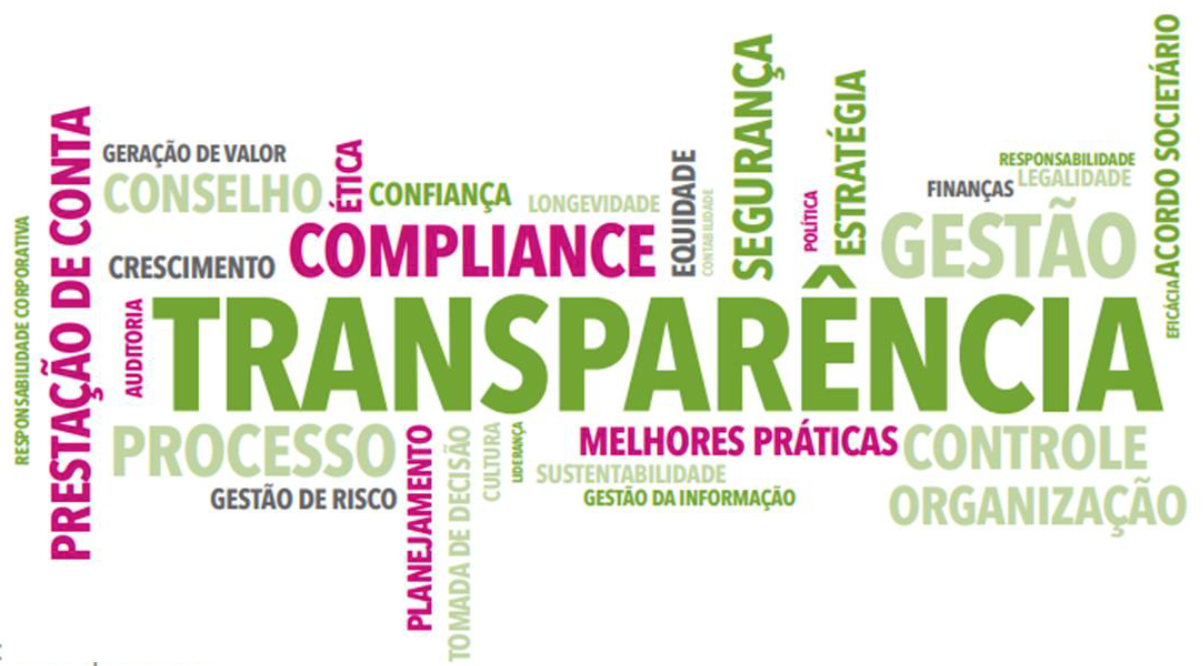
Around the same time, we saw the publication of the first documents in which the term appeared corporate governance. The focus on the professionalization of business management has gained momentum for several reasons, but primarily due to the increasingly complex business landscape—with diverse stakeholders and interested parties, new relationships, laws, technologies, globalization, and growth. New forms of leadership, monitoring, and control of business organizations have become necessary to ensure their long-term sustainability and address its implications.
Since then, good corporate governance practices have been evolving, with knowledge being disseminated by leading specialized support organizations around the world. While not mandatory in some sectors, these practices are increasingly adopted by companies, which clearly recognize their necessity for sustainable performance.
The current corporate governance structure includes the establishment of boards of directors and/or advisory boards, a fiscal council, audit committees, internal committees, and external and internal audits, as shown below.
Viewed as an expensive and “non-agile” model due to its structure, traditional corporate governance was not adopted by startups, even though they are contemporaries, as noted above. The simplicity and agility of startups seemed incompatible with such a robust governance structure. In a way, this perception was accurate. However, over time, the benefits of corporate governance for business organizations became clear and well-established, and, given this evidence, adapting best practices to the unique world of startups became both natural and necessary.
Although startups are simpler companies that need to be agile, they share several characteristics with large corporations, making the adoption of best practices in corporate governance highly recommended. Partners, investors, employees, customers, regulatory and supervisory bodies, responsibilities, accountability, transparency, sustainability, and the pursuit of long-term viability are some common examples shared by any company or startup and justify this focus on professionalizing management.
Today, in line with this concept of a more “lean” and adaptable model, we have the Lean Governance framework—a tailored governance approach that is particularly well-suited for startups
The lean governance model takes into account the different stages of a startup but integrates a corporate governance framework from the very beginning, ensuring that the final structure will be in place at the right time and when needed. Meanwhile, best practices are gradually incorporated as the startup progresses through its phases, starting perhaps with an advisor or even the formation of an advisory board—which, in and of itself, already elevates the startup to a higher level of governance.
The Advisory Board serves in an advisory capacity to entrepreneurs, providing guidance and facilitating connections, and may even operate on a pro bono basis. Unlike the Board of Directors, which is responsible for providing guidance and facilitating connections, but also for making decisions and fulfilling fiduciary responsibilities to stakeholders (the formal role of a director), with members typically compensated for their participation. The Board of Directors is established in the later stages of a startup.
It is important that the board be composed of members who are aligned with the startup’s purpose and who can contribute their knowledge and professional networks. They should serve as ambassadors for the company. However, it is also important that the board be diverse and capable of addressing a wide range of issues that are important in the context of the company and current circumstances. Some examples of topics:
Another important framework for best practices is the Lean Governance Canvas, which guides startups in defining and implementing processes and actions, in line with the stage they are in. Based on a set of pillars, the associated actions that should be carried out are defined, with the goal of improving structure and management.
The startup can create a checklist based on the pillars and actions of the Canvas, developing an action plan to monitor implementation according to its current phase. Through this process, it is possible to identify actions that were missing in a given phase and to plan for their implementation accordingly.
A startup that follows best practices in corporate governance—even “lean” practices— is far more likely to succeed—whether by attracting investors through excellent management, by receiving valuable support and guidance from competent board members, or by implementing the right actions and processes at the right time. There is no shortage of methodologies and guidelines for adopting these practices.



 © 2026 Triskle GRC. Developed by
 Portuguese
 English
 Spanish